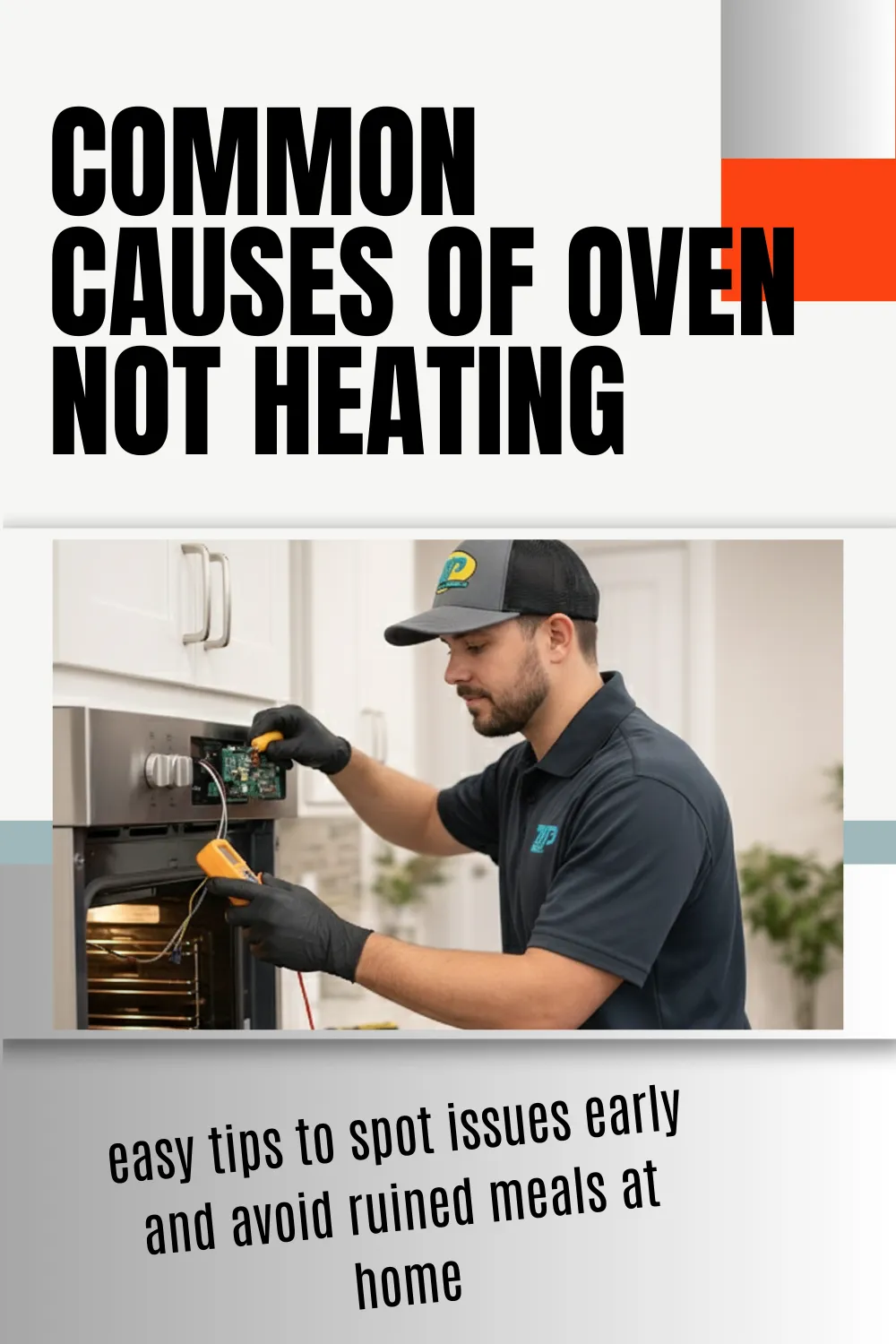
Bakersfield Kitchens: Common Causes of Oven Not Heating
When an oven stops heating properly, it’s not just a kitchen problem—it’s a signal that small issues need attention before they turn into costly repairs in Bakersfield kitchens. - Appliance Boss
Introduction to Bakersfield Kitchens and Oven Heating Problems
In many homes, the oven is the quiet workhorse of the kitchen. It handles weeknight dinners, holiday feasts, and everything in between. When an oven stops heating properly, routines unravel fast. In Bakersfield kitchens, this problem is more common than many homeowners expect, often appearing without warning and worsening over time.
Why Oven Not Heating Is a Common Issue in Bakersfield Kitchens
Ovens endure constant thermal stress, electrical demand, and mechanical wear. Add frequent use and environmental exposure, and minor defects can escalate quickly. In Bakersfield homes, ovens are often used year-round, which accelerates component fatigue and increases the likelihood of heating failures.
How a Properly Heating Oven Should Work
A properly functioning oven follows a precise cycle. The heating element or gas burner activates, the thermostat monitors internal temperature, and the control board regulates power flow. Heat builds evenly, stabilizes at the selected temperature, and maintains consistency throughout the cooking process.

Signs Your Oven Is Not Heating Properly
Some symptoms are obvious. Others are subtle. Food takes longer to cook, bakes unevenly, or remains underdone despite correct settings. In some cases, the oven appears to function normally but never reaches the desired temperature.
Early Warning Symptoms Bakersfield Homeowners Often Miss
Delayed preheating is a common early sign. So is fluctuating heat during cooking. Slight burning on one side of a dish while the center remains cold often signals an internal imbalance that should not be ignored.
Difference Between No Heat and Uneven Heating
An oven with no heat typically has a failed core component. Uneven heating, however, suggests partial operation. One element may still function while another has failed, creating deceptive performance that masks the true problem.
Most Common Causes of Oven Not Heating in Bakersfield Kitchens
Heating failures rarely stem from a single issue. They often involve electrical, mechanical, and environmental factors working in combination. Identifying the root cause early helps prevent cascading damage.
Burned-Out Bake Element and How It Affects Cooking
The bake element provides the primary heat source for most ovens. When it burns out, baking becomes erratic or impossible. Cracks, blistering, or visible breaks are common indicators of failure.
Faulty Broil Element and Its Hidden Impact
While used less frequently, the broil element supports overall heat balance. When it fails, the oven may still heat but struggle to maintain stable temperatures, especially during longer cooking cycles.
Malfunctioning Oven Thermostat
The thermostat acts as the oven’s sensory organ. When it misreads temperature, the oven may shut off too early or overheat. This leads to inconsistent results and unnecessary energy consumption.
Temperature Sensor Problems and False Readings
Modern ovens rely on sensors to relay temperature data to the control board. A damaged or misaligned sensor can transmit false readings, causing the oven to behave unpredictably.
Control Board Failures in Modern Ovens
The control board is the operational nucleus. Power surges, moisture, or component aging can disrupt its circuitry. When this happens, heating commands may never reach the elements or burners.
Electrical Supply Issues in Bakersfield Homes
Loose wiring, worn outlets, or insufficient voltage can starve an oven of power. These issues often originate outside the appliance but manifest as heating problems inside it.
Gas Oven Issues That Prevent Proper Heating
Gas ovens introduce additional variables. Proper ignition, gas flow, and ventilation must work in harmony. A disruption in any of these areas compromises heating performance.
Igniter Problems in Gas Ovens
A weakened igniter may glow but fail to open the gas valve fully. This results in delayed or insufficient heating, often mistaken for a thermostat issue.
Gas Valve and Safety Valve Failures
Gas valves regulate fuel delivery. When they malfunction, heat output becomes inconsistent or stops altogether. Safety valves may also shut down the system as a precaution.
Blocked Gas Flow and Ventilation Concerns
Obstructions in gas lines or ventilation paths restrict combustion efficiency. Poor airflow leads to weak flames and inadequate heat distribution.
Local Factors Affecting Ovens in Bakersfield Kitchens
Environmental conditions influence appliance longevity. Bakersfield’s climate introduces challenges that many homeowners overlook until performance declines.
Power Surges and Electrical Fluctuations
Sudden voltage changes can damage sensitive oven components. Control boards and sensors are particularly vulnerable to these fluctuations.
Heat and Dust Impact on Kitchen Appliances
Persistent heat combined with airborne dust accelerates wear. Dust accumulation can insulate components, trap heat, and interfere with electrical contacts.
Aging Appliances in Older Bakersfield Homes
Older ovens often lack modern safeguards. Worn wiring, outdated components, and discontinued parts increase the risk of heating failure and complicate repairs.
User-Related Causes of Oven Heating Problems
Not all issues originate inside the appliance. Everyday habits can inadvertently contribute to poor heating performance.
Incorrect Oven Settings and Mode Selection
Using broil instead of bake, convection when not intended, or incorrect temperature units can create the illusion of a malfunction.
Door Seal and Gasket Issues
A compromised door seal allows heat to escape. Even minor gaps force the oven to work harder, reducing efficiency and consistency.
Overloading the Oven and Airflow Problems
Crowding the oven restricts airflow. Heat cannot circulate properly, leading to uneven cooking and prolonged bake times.
DIY Troubleshooting Tips Before Calling a Professional
Some checks can be performed safely. Observing visible elements, confirming settings, and monitoring preheat behavior can provide valuable clues.
Safe Checks Homeowners Can Perform
Inspect elements for damage. Ensure the oven is receiving power. Verify that gas burners ignite fully and evenly.
When Resetting the Oven May Help
Power resets can clear minor electronic glitches. Turning off the breaker for several minutes may restore normal operation in rare cases.
Common Mistakes to Avoid During DIY Troubleshooting
Avoid disassembly without proper knowledge. Improper handling can worsen the issue or create safety hazards.
When to Call a Professional Oven Repair Technician
Persistent heating problems require expert evaluation. Professionals use diagnostic tools to pinpoint failures quickly and safely.
Safety Risks of Ignoring Heating Problems
Ignoring symptoms can lead to electrical shorts, gas leaks, or complete system failure. Safety should always outweigh convenience.
Signs the Problem Requires Immediate Repair
Burning smells, sparking, repeated breaker trips, or gas odors indicate urgent issues that should be addressed immediately.
Repair vs Replacement for Ovens Not Heating
The decision depends on age, repair cost, and efficiency. Newer ovens often justify repair, while older units may warrant replacement.
Cost Factors to Consider in Bakersfield Kitchens
Labor rates, part availability, and appliance type all influence cost. Gas and smart ovens typically require more specialized repairs.
How Regular Maintenance Prevents Heating Issues
Routine maintenance reduces strain on components. Cleaning, inspections, and timely part replacement extend oven lifespan.
Simple Maintenance Habits for Long-Term Performance
Keep vents clear. Wipe spills promptly. Avoid slamming doors. These small habits preserve internal balance and efficiency.
How Often Ovens Should Be Professionally Inspected
Annual inspections are ideal, especially for heavily used ovens. Preventive care often costs far less than emergency repairs.
How to Keep Bakersfield Kitchens Cooking Smoothly
Consistency comes from awareness and care. Understanding how ovens work empowers homeowners to respond quickly to changes in performance.
Final Thoughts on Preventing Oven Heating Problems
An oven that refuses to heat properly is never just a minor inconvenience. It is often an early indicator of deeper mechanical, electrical, or environmental issues that deserve attention. By understanding the common causes, recognizing early warning signs, and practicing consistent maintenance, homeowners can avoid sudden breakdowns and costly repairs. Staying proactive keeps meals on schedule and kitchens running smoothly in Bakersfield.
If your oven continues to struggle despite basic troubleshooting, professional diagnosis is the safest and most effective solution. For dependable service and expert guidance, Zip Appliance and Plumbing Repair is ready to help. Visit www.ziprepairservice.com or call (661) 387-2282 to schedule service and keep your kitchen appliances performing at their best.