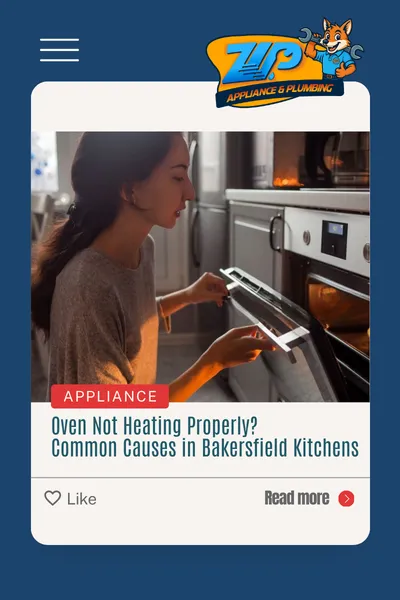
Oven Not Heating Properly Causes in Bakersfield Kitchens
When an oven stops heating properly, it is never just an inconvenience, it is a signal that your kitchen is asking for attention before small issues turn into costly repairs. - Appliance Boss
Introduction
An oven that refuses to heat properly can derail meal plans and daily routines. In Bakersfield kitchens, this issue appears with surprising frequency. Some causes are subtle. Others are abrupt and impossible to ignore. Understanding why an oven underperforms is the first step toward restoring consistent, dependable cooking results. Many homeowners begin their search for answers by exploring professional oven repair services in Bakersfield to better understand what may be going wrong.
Why Oven Heating Problems Are So Common in Bakersfield Homes
Bakersfield households rely heavily on ovens year-round. Frequent use accelerates component fatigue. Add aging appliances and fluctuating power conditions, and heating failures become far more common than most homeowners expect. Small inefficiencies often compound into noticeable performance issues that disrupt everyday cooking.
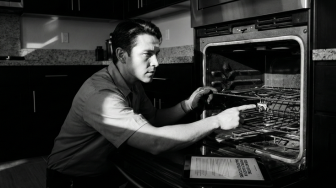
How Bakersfield Climate and Usage Affect Oven Performance
High ambient temperatures, dust intrusion, and prolonged summer use place extra strain on internal oven components. Heat-sensitive electronics can drift out of calibration. Dust accumulation may obstruct airflow. Over time, these regional factors subtly erode heating efficiency and shorten component lifespan.
Signs Your Oven Is Not Heating Properly
Oven issues rarely appear without warning. They announce themselves through inconsistent performance, extended cook times, or unreliable temperature control. Recognizing these symptoms early can prevent larger failures and more expensive repairs.
Early Warning Signs Homeowners Often Ignore
Food taking longer to cook. Minor temperature fluctuations. A preheat cycle that feels sluggish. These signals are often dismissed as normal aging but usually indicate a deeper mechanical or electrical concern forming beneath the surface.
Uneven Cooking and Temperature Inconsistencies Explained
Uneven browning or partially cooked dishes often stem from uneven heat distribution. When heating elements weaken or sensors misread temperatures, heat becomes erratic rather than uniform, leading to unpredictable cooking outcomes.
Oven Not Reaching the Set Temperature
If the oven stalls well below the selected temperature, the cause may be electrical resistance loss, sensor miscalibration, or compromised power delivery. This failure is both frustrating and inefficient, especially during longer baking cycles.
Oven Takes Too Long to Preheat
A prolonged preheat cycle often signals declining element output or delayed gas ignition. The oven works harder, consumes more energy, and still falls short of expectations.
Common Electrical Causes of Oven Heating Problems
Electric ovens depend on precise voltage and uninterrupted circuits. Any disruption can degrade heating performance and reduce reliability.
Faulty Heating Elements and Burned-Out Coils
Heating elements naturally degrade over time. Microscopic fractures increase resistance. Eventually, coils burn out entirely, leaving the oven incapable of reaching proper temperatures and requiring professional replacement.
Broken Bake Element vs Broil Element Issues
The bake element handles everyday cooking, while the broil element supports high-heat functions. Failure in either can distort cooking results or disable specific oven modes entirely.
Wiring Problems Inside the Oven
Internal wiring endures constant thermal expansion and contraction. Loose connections or charred wires can interrupt power flow and destabilize heating cycles, sometimes intermittently.
Tripped Breakers and Power Supply Issues
Repeated breaker trips often indicate electrical overload or short circuits within the oven. Inconsistent power supply undermines consistent heat generation and may point to deeper electrical faults.
Common Gas Oven Heating Problems
Gas ovens introduce a different set of variables. Combustion components must work in harmony to generate stable, controlled heat throughout the cooking cycle.
Gas Igniter Failing to Glow or Click
A weakened igniter may glow faintly or click without igniting gas. Without sufficient heat, gas flow never fully engages, leaving the oven cold or slow to warm.
Weak or Delayed Ignition Problems
Delayed ignition allows gas to accumulate briefly before ignition, creating uneven heating, unusual odors, and potential safety concerns.
Gas Valve and Regulator Issues
Faulty valves restrict gas flow. Regulators that drift out of tolerance deliver inconsistent pressure, leading to fluctuating oven temperatures and unreliable performance.
Control and Sensor Related Causes
Modern ovens rely on electronic oversight. When control components falter, heating precision disappears and cooking becomes unpredictable.
Faulty Oven Temperature Sensor
Sensors that misread internal heat levels send inaccurate data to the control board. The oven responds incorrectly, cycling heat at the wrong intervals.
Malfunctioning Thermostat Problems
A failing thermostat cannot maintain stable temperatures. The oven may overheat, underheat, or fluctuate unpredictably from one cycle to the next.
Control Board and Electronic Timer Failures
Control boards orchestrate every oven function. When circuitry degrades, heating commands become erratic or fail entirely, often requiring expert diagnostics.
Mechanical and Wear-and-Tear Issues
Beyond electronics, physical deterioration also contributes to heating loss and long-term inefficiency.
Door Seal and Gasket Heat Loss
Worn gaskets allow heat to escape. The oven compensates endlessly, never quite reaching the desired temperature and increasing energy consumption.
Oven Door Not Closing Properly
Misaligned hinges or warped doors create heat leaks that sabotage consistent cooking performance and prolong cooking times.
Internal Component Aging and Damage
Fans, insulation, and internal supports degrade quietly. Over time, cumulative wear disrupts thermal stability and overall oven efficiency.
User-Related Causes That Affect Heating
Not all heating problems originate inside the oven. Usage habits play a meaningful role in performance.
Incorrect Oven Settings and Modes
Selecting convection, broil, or self-clean modes unintentionally can alter heating behavior dramatically and confuse cooking results.
Blocked Airflow Inside the Oven
Foil-lined racks or overcrowded interiors restrict airflow, leading to uneven heat circulation and inconsistent cooking.
Overloading the Oven with Cookware
Excessive cookware absorbs heat and overwhelms the oven’s ability to recover temperature quickly, stressing internal components.
Why DIY Fixes Sometimes Make Things Worse
Well-intended repairs often introduce new complications. Improper part installation or misdiagnosis can escalate damage and increase long-term repair costs.
Safety Risks of Attempting Oven Repairs
Ovens combine electricity, gas, and high heat. Mishandling components exposes homeowners to shock hazards, gas leaks, and fire risks.
When a Simple Reset Is Not Enough
Resetting breakers or power cycling the oven may offer temporary relief. Persistent problems indicate component-level failures that demand professional attention, often found during a thorough oven and stove repair inspection.
When to Call a Professional Oven Repair Technician
Repeated heating issues, unusual noises, or gas odors require expert evaluation. Prompt service prevents escalating repair costs and safety risks.
How Professionals Diagnose Oven Heating Problems
Technicians use diagnostic meters, thermal sensors, and component testing to pinpoint failures accurately. This precision eliminates guesswork and unnecessary part replacement.
Cost Factors for Oven Heating Repairs in Bakersfield
Repair costs vary based on part availability, labor complexity, and appliance age. Early intervention typically keeps expenses manageable and avoids full appliance replacement.
Preventing Future Oven Heating Problems
Prevention begins with awareness, proper use, and routine care.
Routine Maintenance Tips for Bakersfield Kitchens
Regular cleaning, gentle door handling, and periodic inspections help preserve heating efficiency and component integrity over time.
Best Practices for Extending Oven Lifespan
Avoid overloading, follow manufacturer settings, and address minor issues promptly to maximize appliance longevity and performance.
Final Thoughts on Oven Not Heating Properly Causes in Bakersfield Kitchens
Oven heating problems rarely stem from a single issue. They emerge from a convergence of climate, usage patterns, aging components, and overlooked warning signs. Understanding these causes empowers Bakersfield homeowners to act early, cook confidently, and restore dependable performance to the heart of the kitchen.
For expert help, Zip Appliance and Plumbing Repair provides reliable oven and appliance repair services throughout Bakersfield. Visit www.ziprepairservice.com or call (661) 387-2282 to schedule professional service and keep your kitchen running smoothly.